
Explore Office-to-Residential Conversion Opportunities
Commercial buildings can offer efficient routes to new homes, but quality, safety and the planning route must be tested carefully for each building.
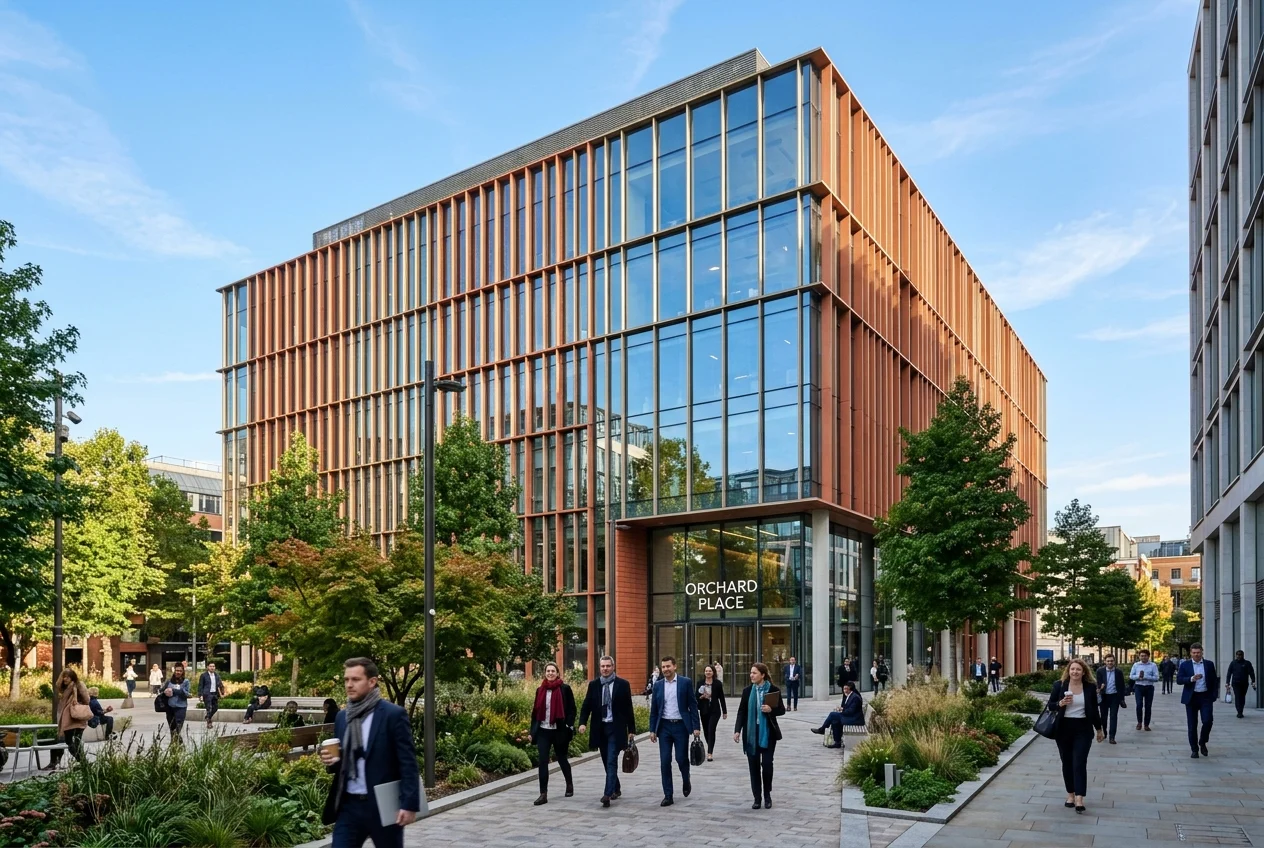
Planning and permitted development
In England, Class E (commercial, business and service) buildings may be converted under permitted development Class MA subject to prior approval and conditions; otherwise a full planning application is needed. Article 4 directions can remove these rights locally.
- Check the lawful use and any Article 4 direction
- Prior approval matters include transport, contamination, flooding, noise, natural light to habitable rooms and fire safety
- Space standards apply to permitted development homes
Building Regulations, fire, acoustics and ventilation
A change of use to dwellings triggers Building Regulations requirements. Fire strategy, compartmentation, sound insulation between flats, ventilation and overheating need specialist input. Taller buildings may also fall under the Building Safety Regulator.
Daylight, outlook and layout
Deep office floorplates can make it hard to deliver good daylight and outlook. Unit mix, cores and circulation should be tested early.
Access, drainage and utilities
Confirm refuse, cycle storage, drainage capacity and utility upgrades.
Indicative costs and next steps
Costs depend on the condition of the building, services strategy and fire upgrades. A measured survey and early fire and acoustic advice are typical first steps.
This page provides general, preliminary information. It is not a planning decision, formal valuation or professional appointment. Appropriate checks and current planning information may be required. Last reviewed 2026-06-01.